Academic Discourse: Effective Facilitation Strategies
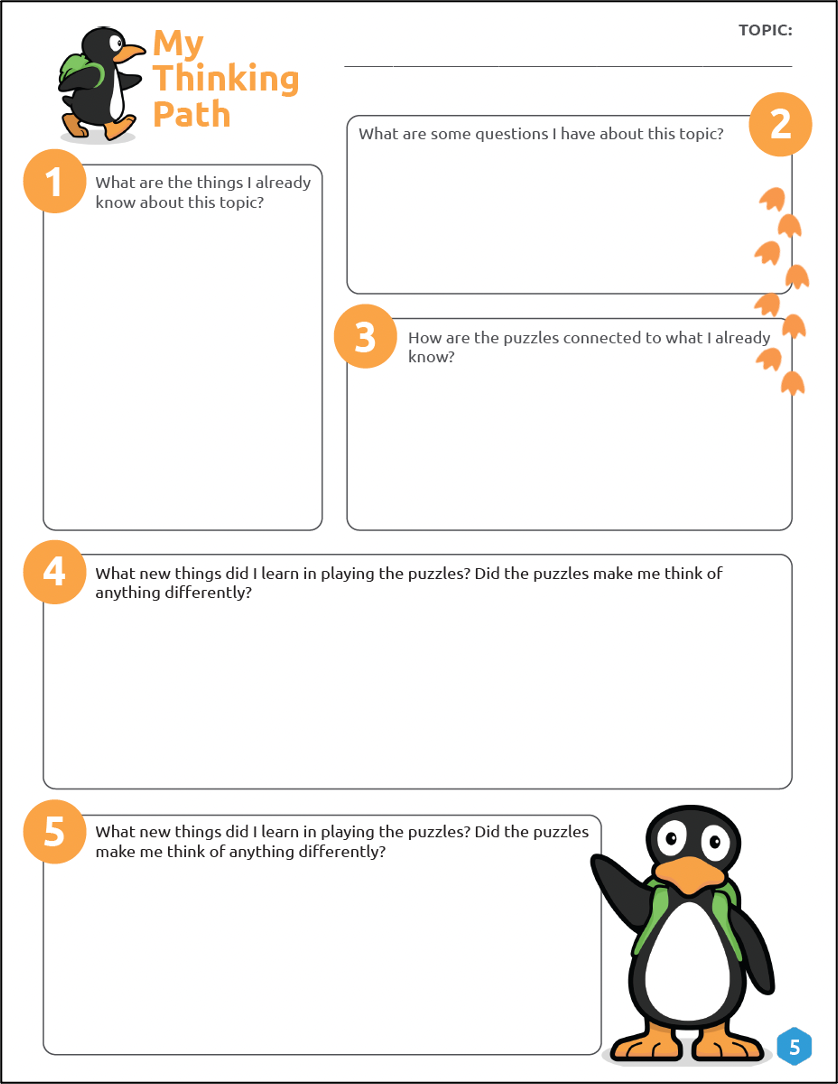
Throughout ST Math Immersion teachers will facilitate student thinking as they engage in Puzzle Talks, complete My Thinking Path, solve and discuss word problems, and work through ST Math puzzles.
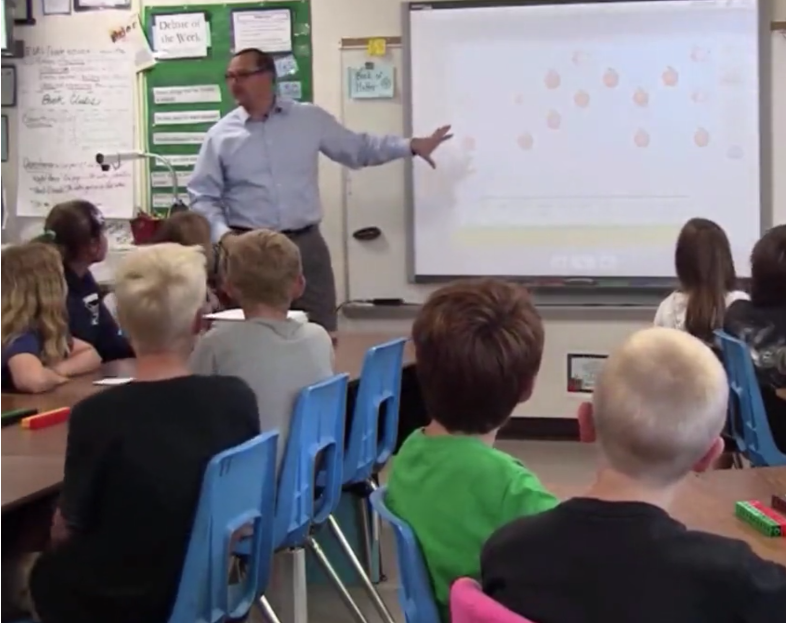
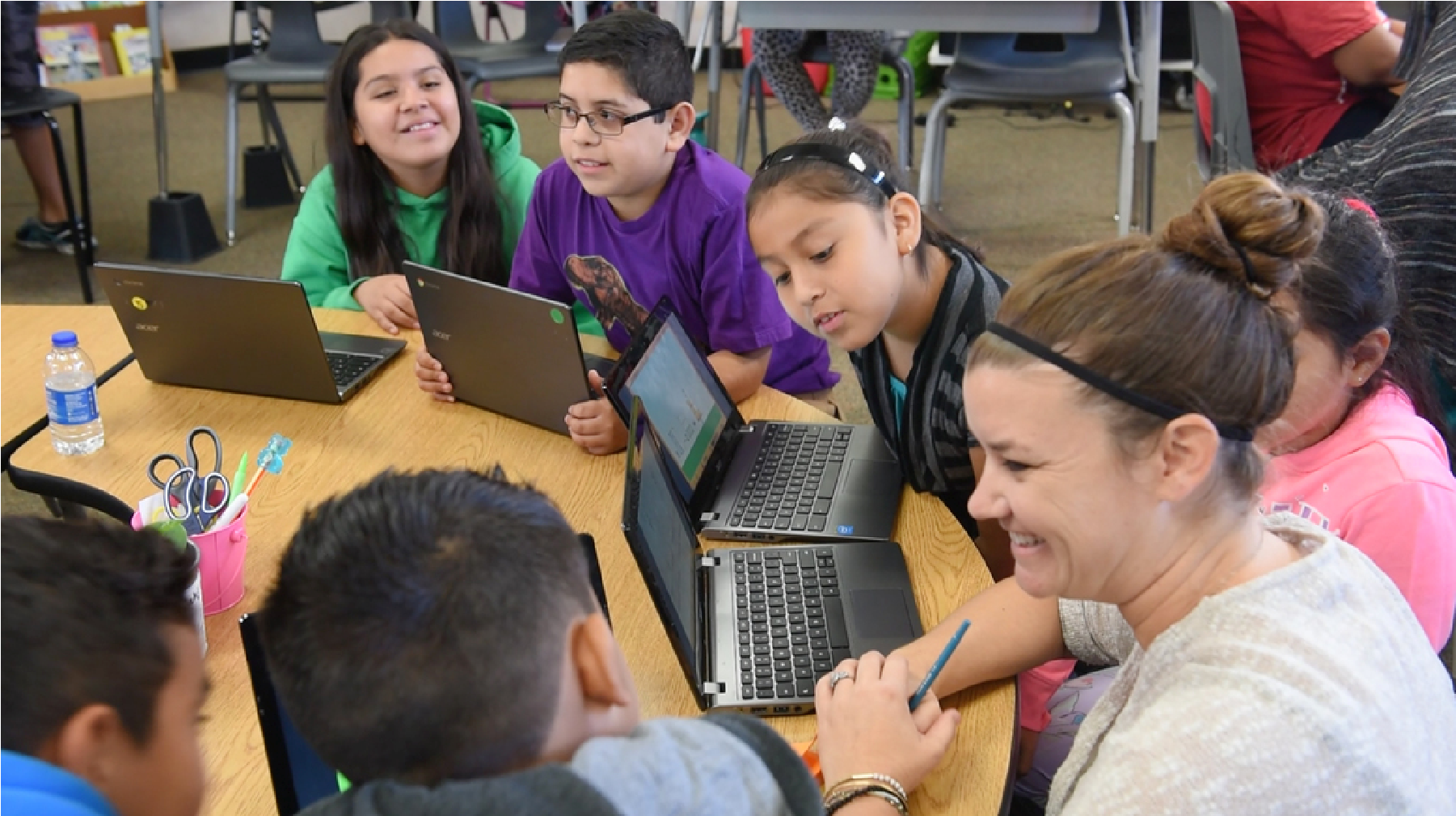

As facilitators, teachers help students understand that they are accountable for their thinking, not just giving correct answers.
Teachers pose questions that encourage the students to think deeply and to ‘talk’ about their mathematical reasoning.

So what do you think about. . .

Facilitation engages students in focusing on what and how they are thinking.
By asking questions to unpack student thinking, teachers are teaching students how to think and not what to think.
This puts the onus on students to build confidence, increase their communication skills, and deepen their understanding of concepts.
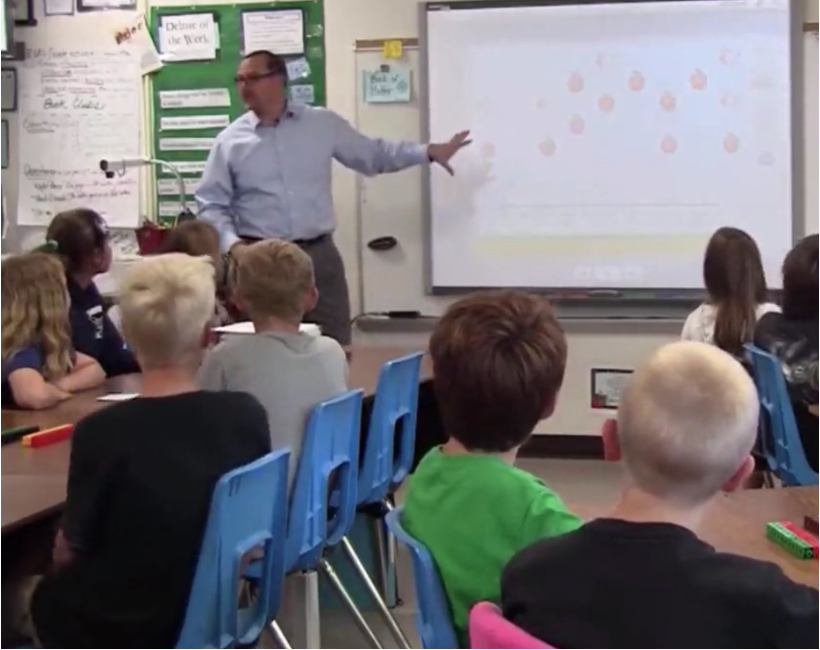

Its not about the right answers, but about the right questions
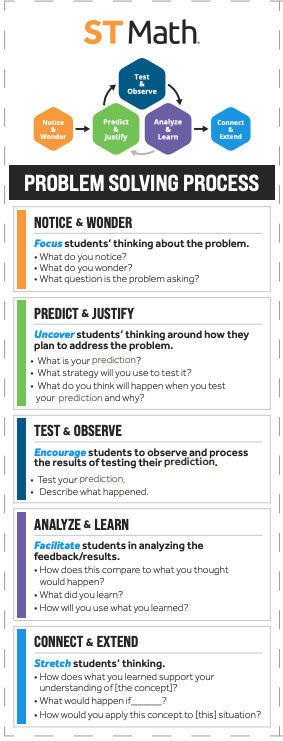
ST Math Immersion uses a problem-solving process designed to support teachers as facilitators and students as authors of their own ideas and sense-makers of mathematics.
It is aligned with the perception-action cycle (PAC) and helps students develop skills that can be used outside of ST Math.
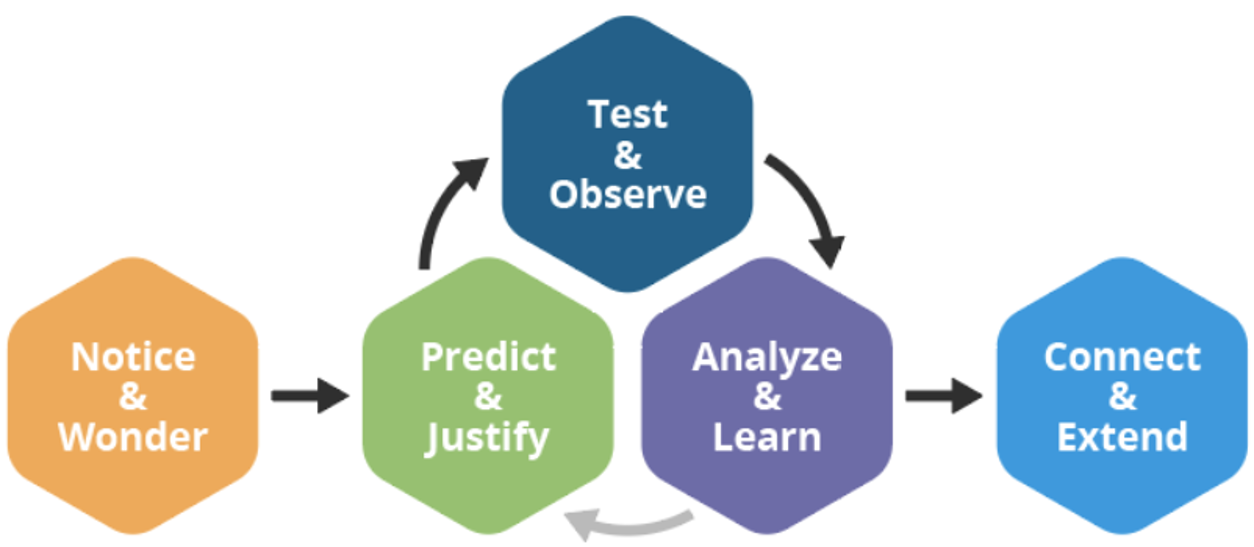

ST Math Puzzles take students through the perception-action cycle over and over, giving them a safe place to fail, providing new information through immediate and formative feedback, and inviting them to try again until they find the solution.
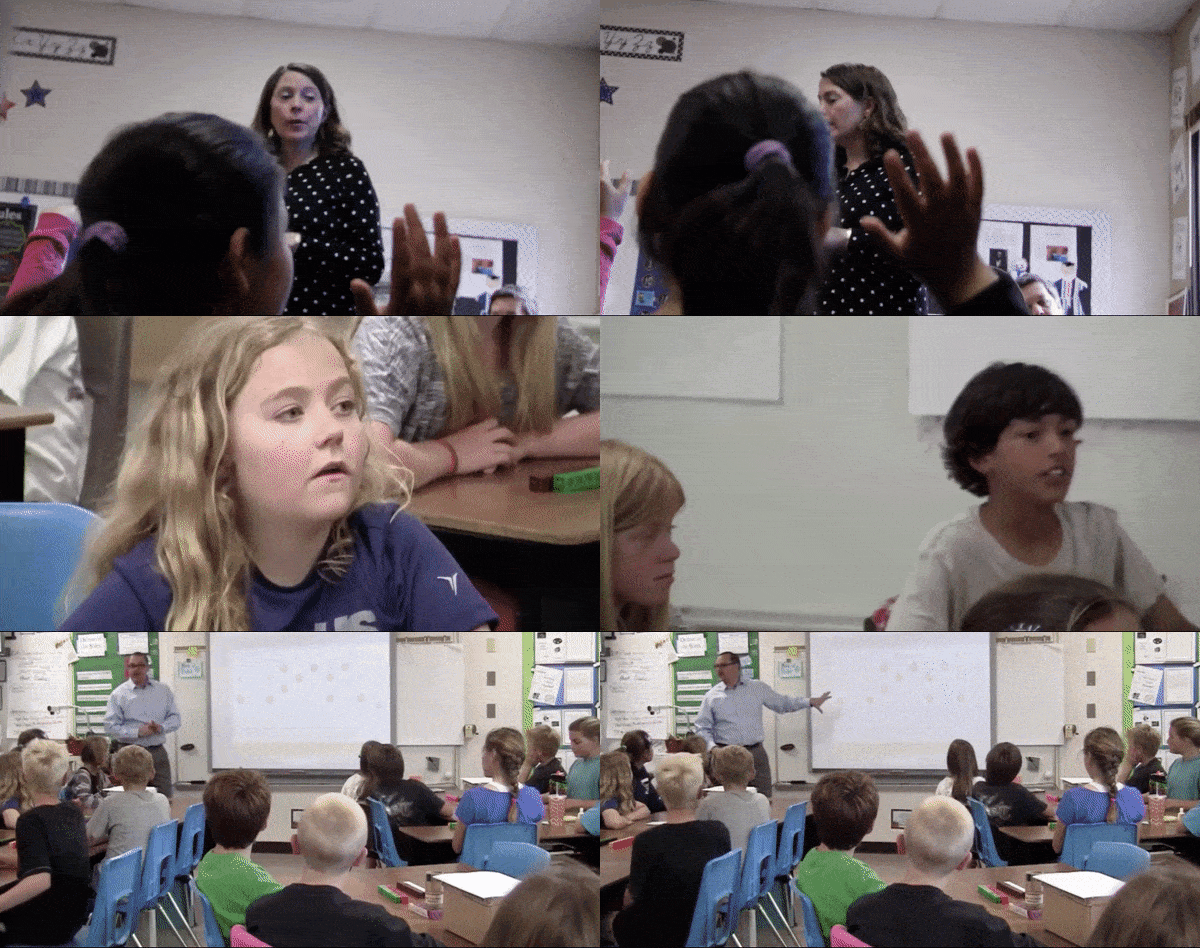
As students engage in the perception part of the PAC, teachers can facilitate student thinking by inviting students to “Notice and Wonder.” They do this by asking questions aimed at helping students notice the information in the puzzle and discover or “wonder” what they may need to do to solve it.

How did you decide where to begin?
What have you tried?
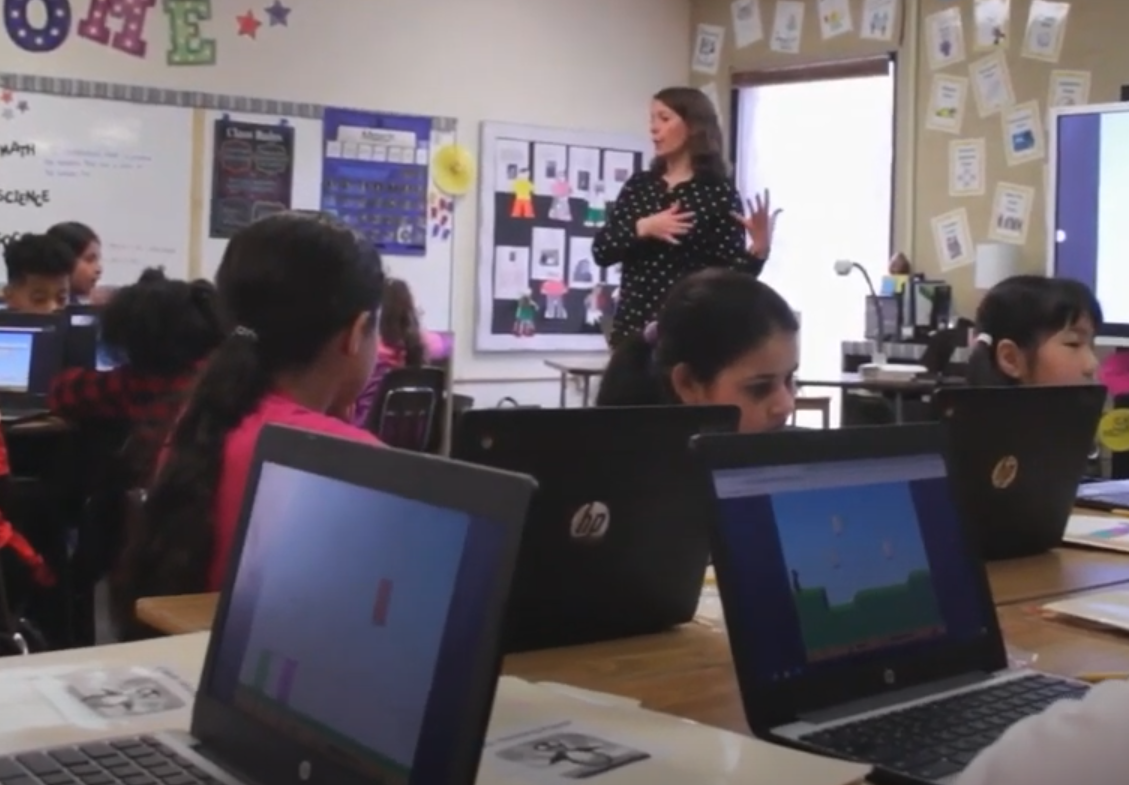
Focus students’ thinking about the problem.
-
What do you notice?
-
What do you wonder?
-
What question is the problem asking?

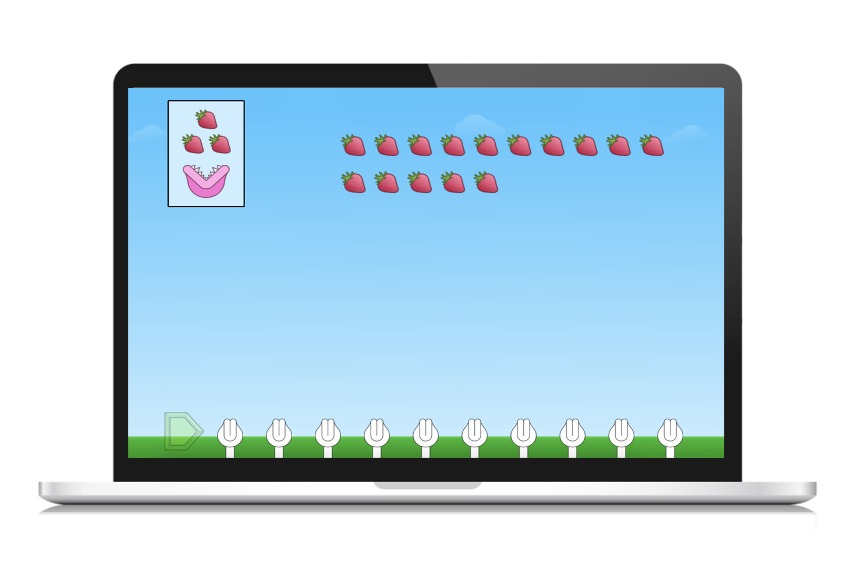
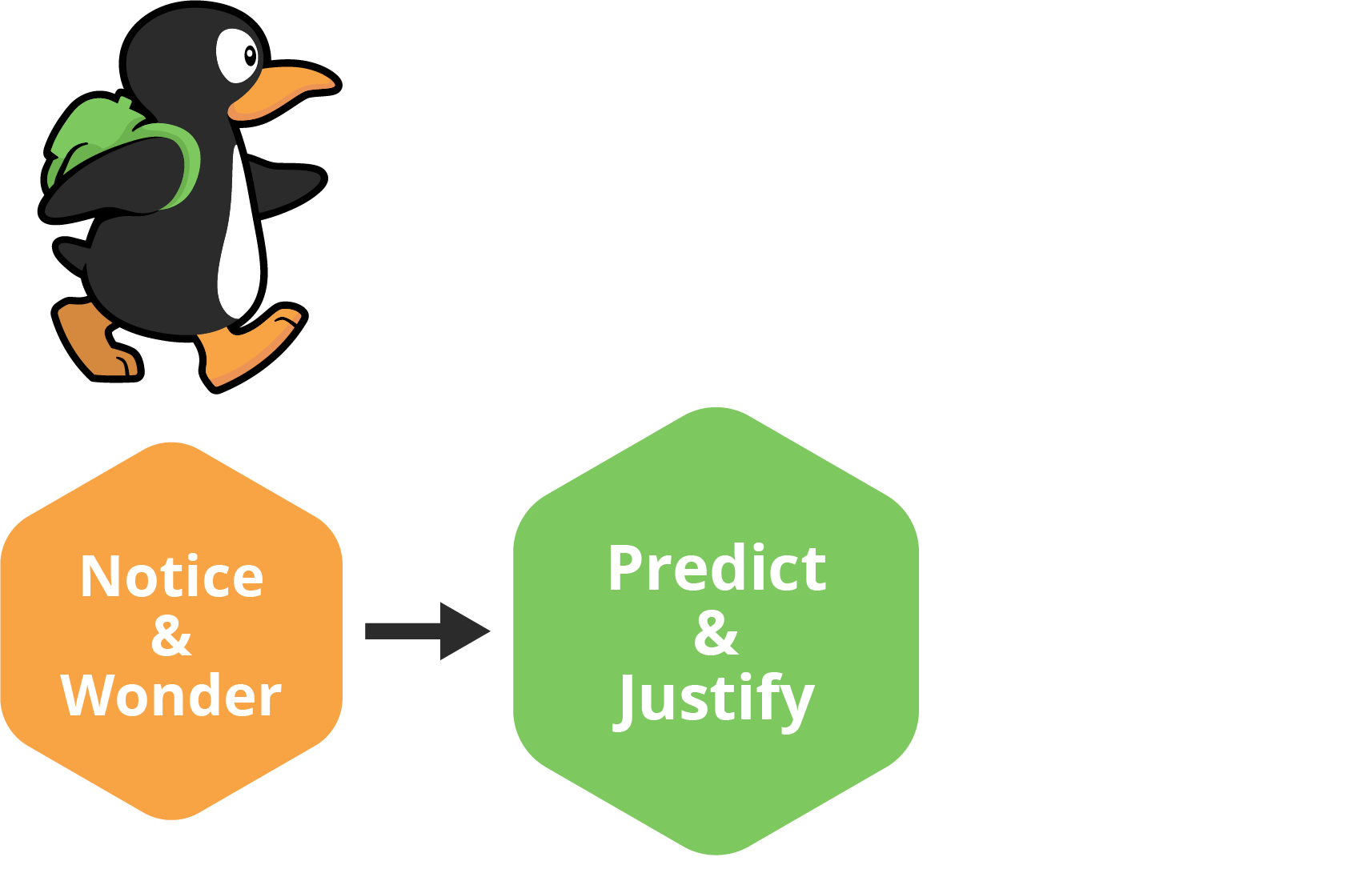
As students engage in the prediction part of the PAC teachers can facilitate student thinking by inviting students to “Predict and Justify.” They do this by asking questions focused on helping students identify a strategy and predict and justify what will happen when they try their strategy.
Uncover students’ thinking around how they plan to address the problem.
-
What is your hypothesis?
-
What strategy will you use to test it?
-
What do you think will happen when you test your hypothesis and why?

As students engage in the action part of the PAC teachers can facilitate student thinking by inviting students to “Test and Observe.” This important step gives students time to process what they observed when testing their hypothesis.
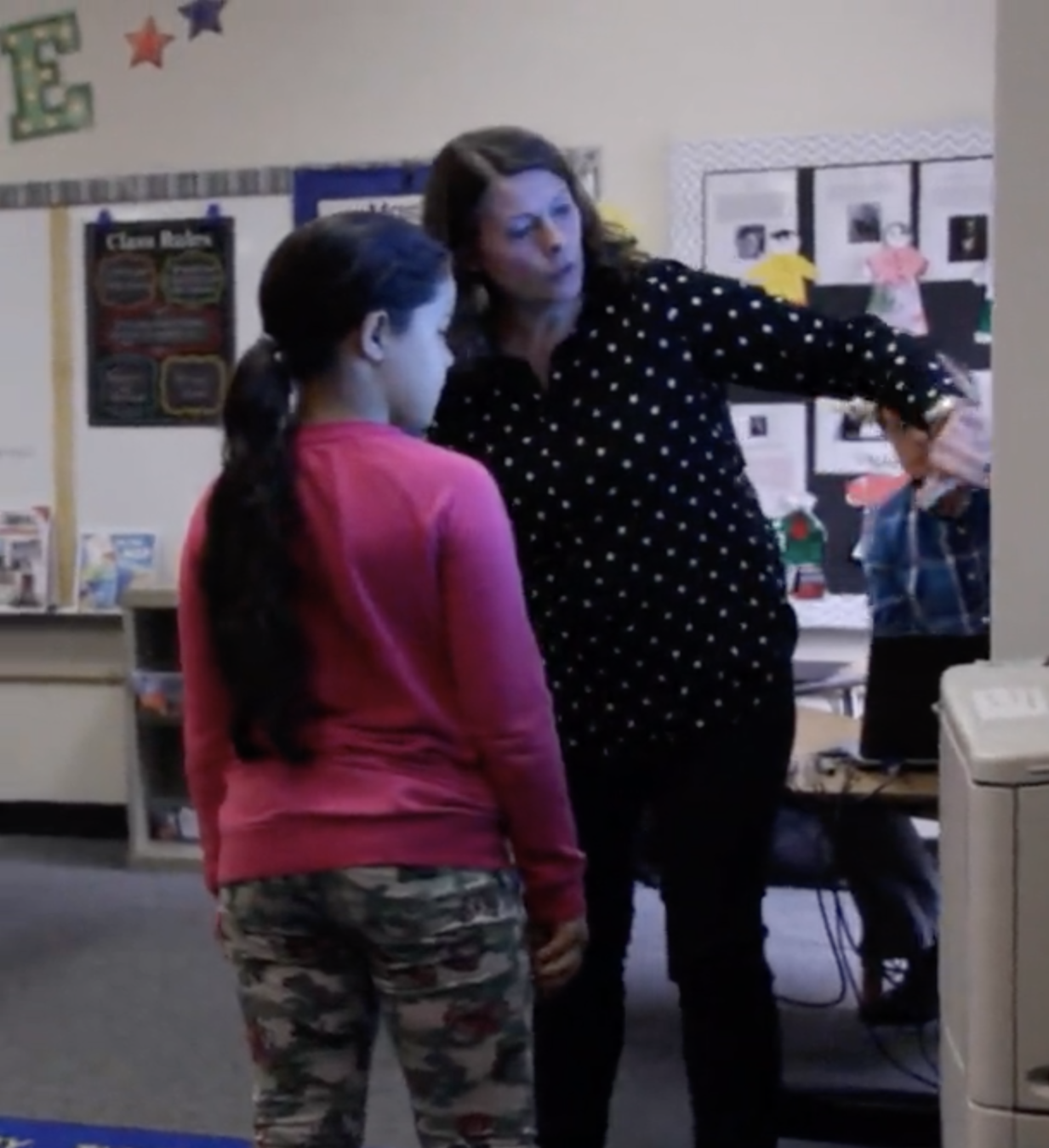
Describe what you saw happen when we tried your prediction.

Encouraging students to observe and process the results of testing their hypothesis.
-
Test your hypothesis.
-
Describe what happened.
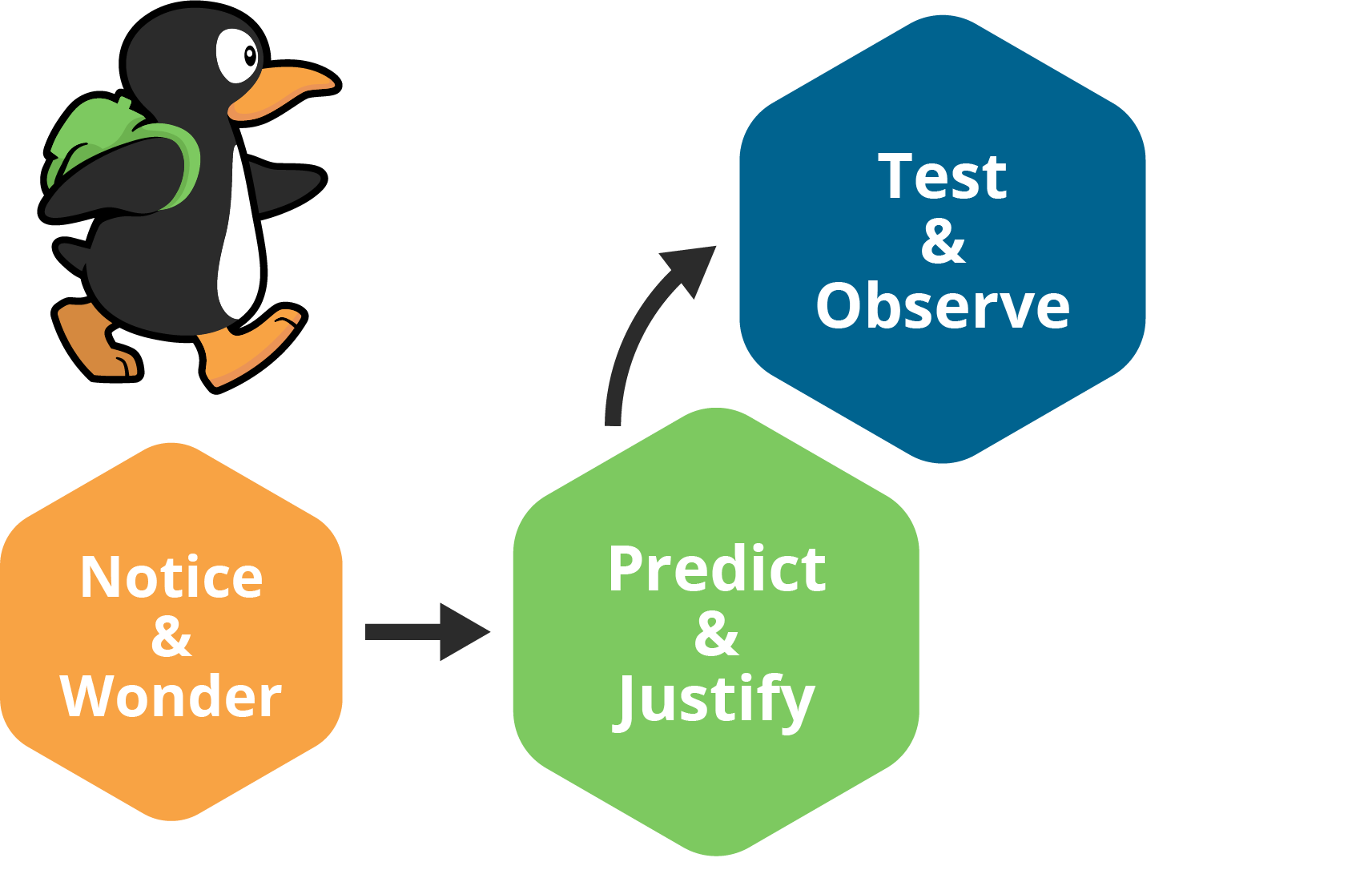

Now that students have observed the outcome, teachers can facilitate student thinking by inviting them to “Analyze and Learn.” They do this by asking questions focused on students analyzing what happened, and determining what they can learn from it.
If they got it wrong students take what they learned, adjust their thinking, and start the cycle again.
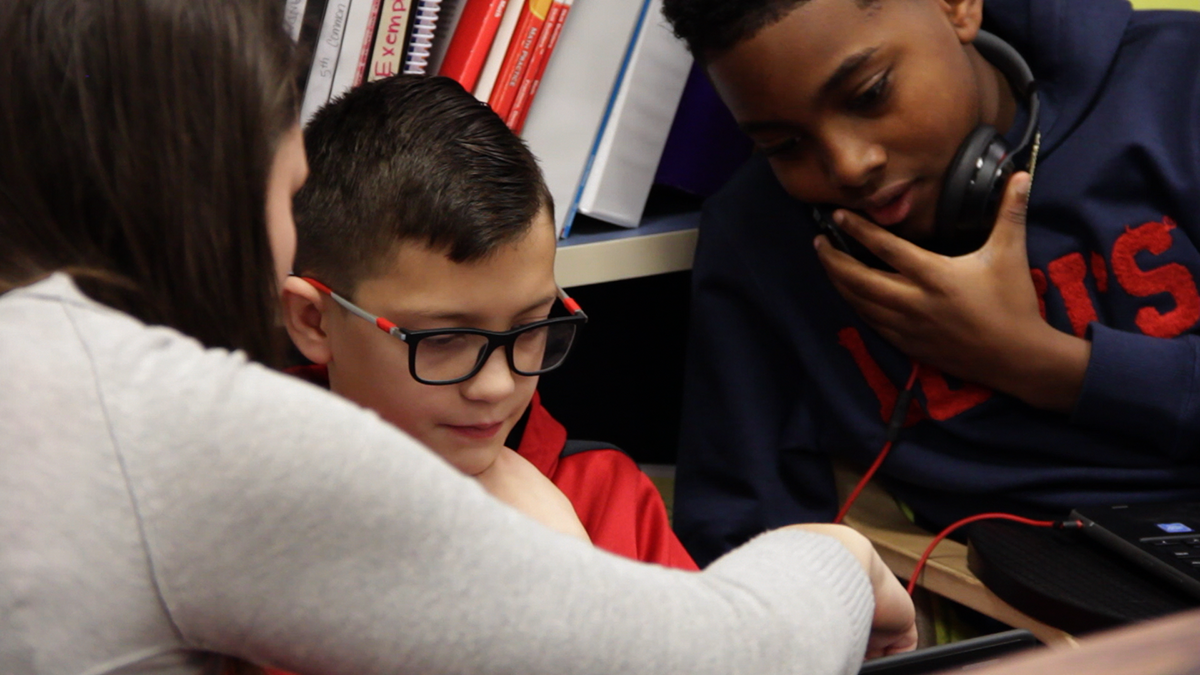
Facilitating students' thinking in analyzing the feedback/results.
-
How does this compare to what you thought would happen?
-
What did you learn?
-
How will you use what you learned?
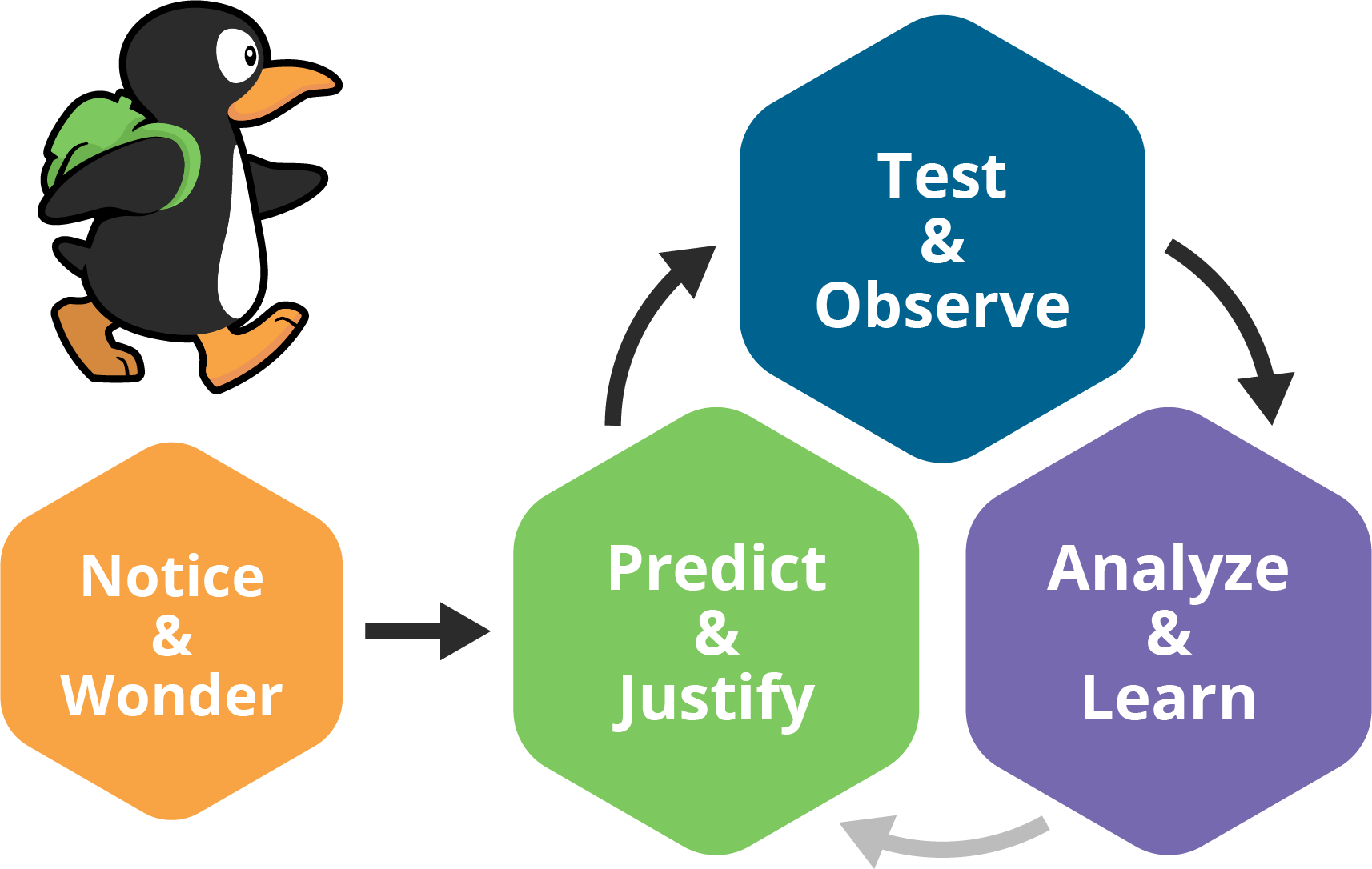

Once students ascertain the correct solution, it is important to invite them to "Connect and Extend" to deepen their understanding of the concept. This can be done by asking questions that stretch students’ thinking; help them make connections, and apply their learning to novel situations.
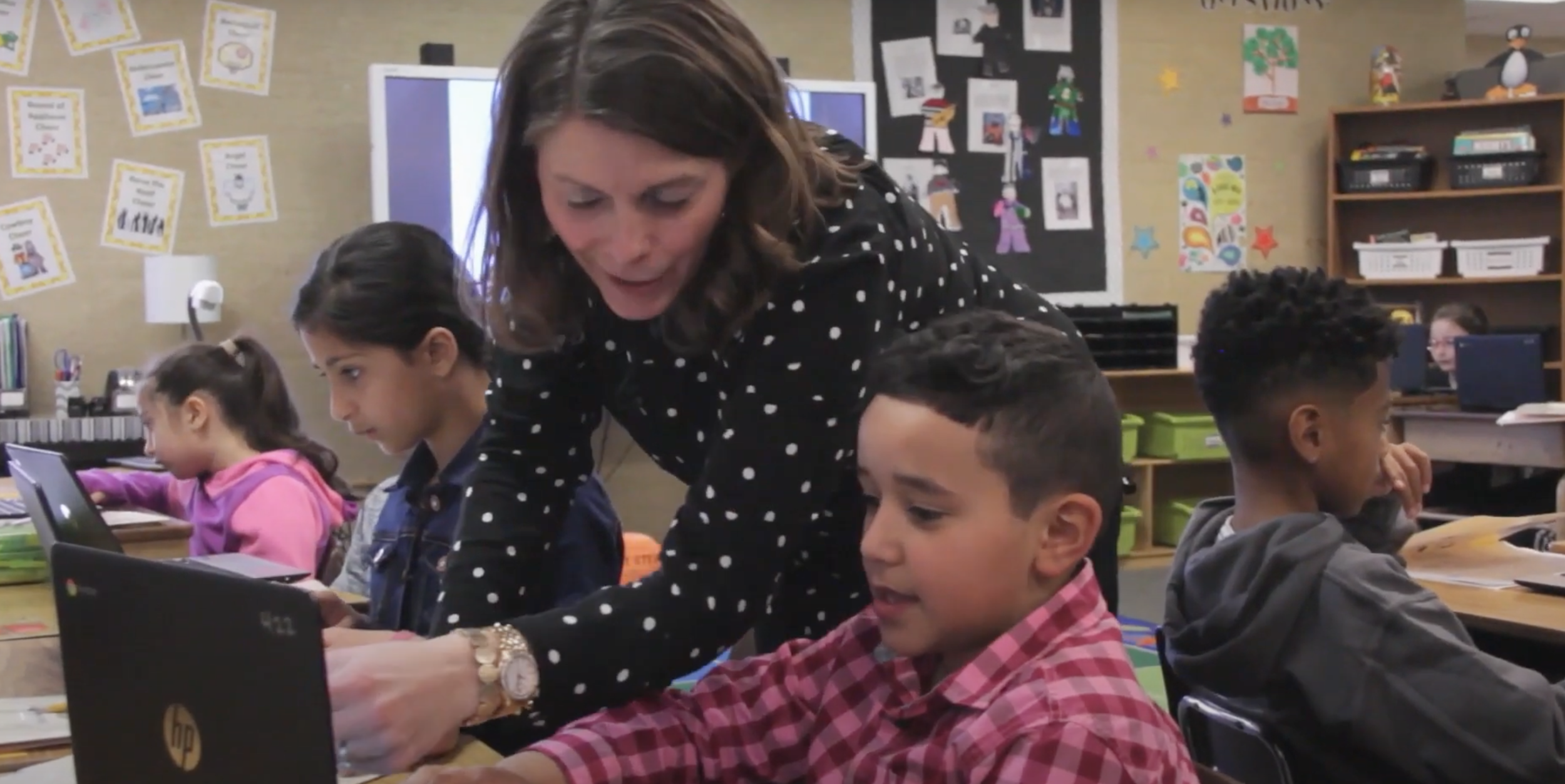
Stretch students’ thinking by asking questions that help students connect and extend schemas to deepen learning.
- How does what you learned support your understanding of [the concept]?
- What would happen if______?
- How would you apply this concept to [this] situation?