

Textbook Correlations
Using ST Math as an instructional tool


Textbook Correlations
ST Math textbook correlations support teachers in using ST Math as an instructional tool. It is important to understand that these are not alignments but rather textbook correlations.
ST Math aligns with state standards, and does not claim to align with any textbook.
Correlation:
a relationship or correspondence between two or more things.


Textbook Correlations
Supporting Instruction

Our textbook correlations are intended to support students in the grade-level Journey, not to replace it. The Journey is designed to strengthen students' mathematical schema.
Since students progress through ST Math at their own pace, those who require more time with a concept may not be prepared to advance when the class math lessons do.

Textbook Correlations
Supporting Students

Textbook Correlations
Supporting Content
There are three key practices that support your instruction and objectives when implementing the ST Math textbook correlations with students. These recommended practices allow you to:
- Preview content
- Review content
- Extend content

Let's take a closer look at each of these approaches!

Textbook Correlations
Preview Content
I see where we're going!
Mathematical content and concepts that students typically find more challenging and have historically struggled with in the classroom can be previewed through the ST Math textbook correlations.
- A Puzzle Talk is a great way to launch the new content
- Assign students to play specific objectives to give students a preview of a new concept




Textbook Correlations


When classroom content is difficult, ST Math textbook correlations are a valuable intervention resource for students.
- Use the Assignment feature in ST Math to assign objectives to students who need to review specific topics
- Engage students in mathematical discussions around specific games to review topics and provide intervention
Review Content


Now I get it!
Textbook Correlations
Extend Content
ST Math textbook correlations present teachers with the opportunity to dive deeper into concepts the class is currently learning, which enhances student understanding.
- Look for ST Math objectives and puzzles with content related to classroom objectives to stretch student thinking
- Engage students in mathematical discussions around specific games to make connections between and among math concepts
Time to stretch!



Preview, Review, Extend
Let's take a look at an example of each!

Preview, Review, Extend
Math in Focus Correlation | Grade 3
Preview
A veteran 3rd grade teacher knows that, historically, students have a hard time locating whole numbers, mixed numbers, and fractions on a number line.
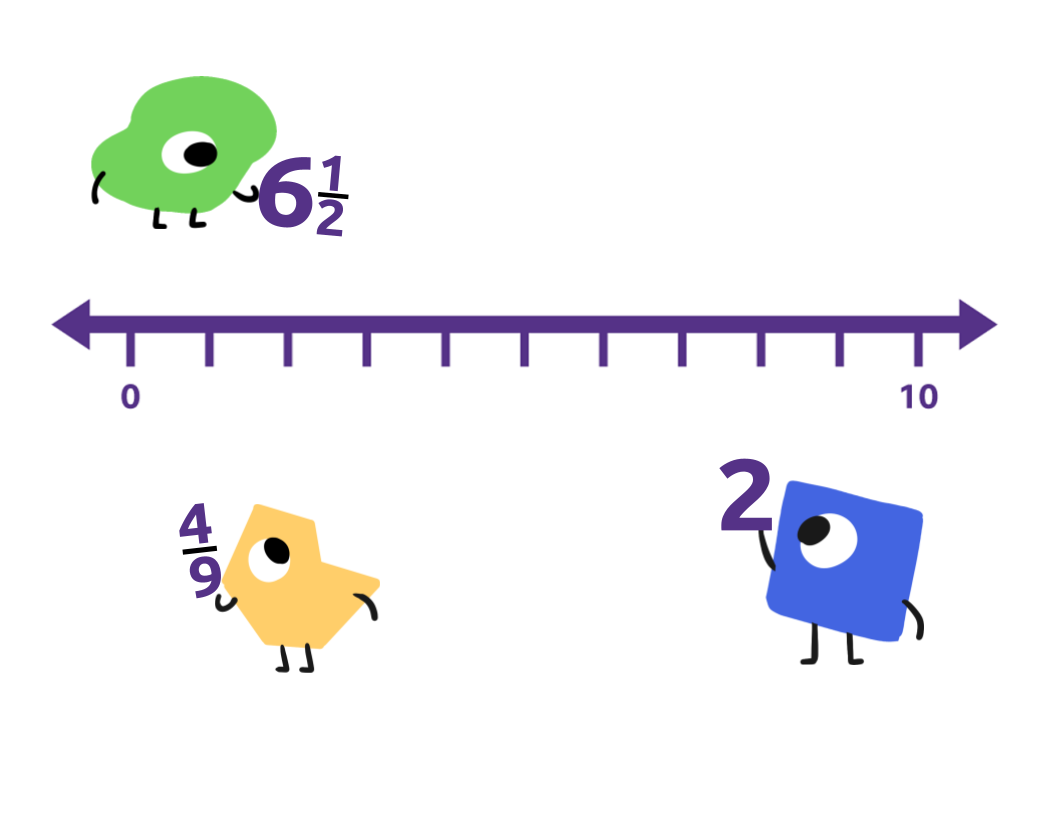
Imagine this situation:
Preview, Review, Extend
Math in Focus Correlation | Grade 3

Preview
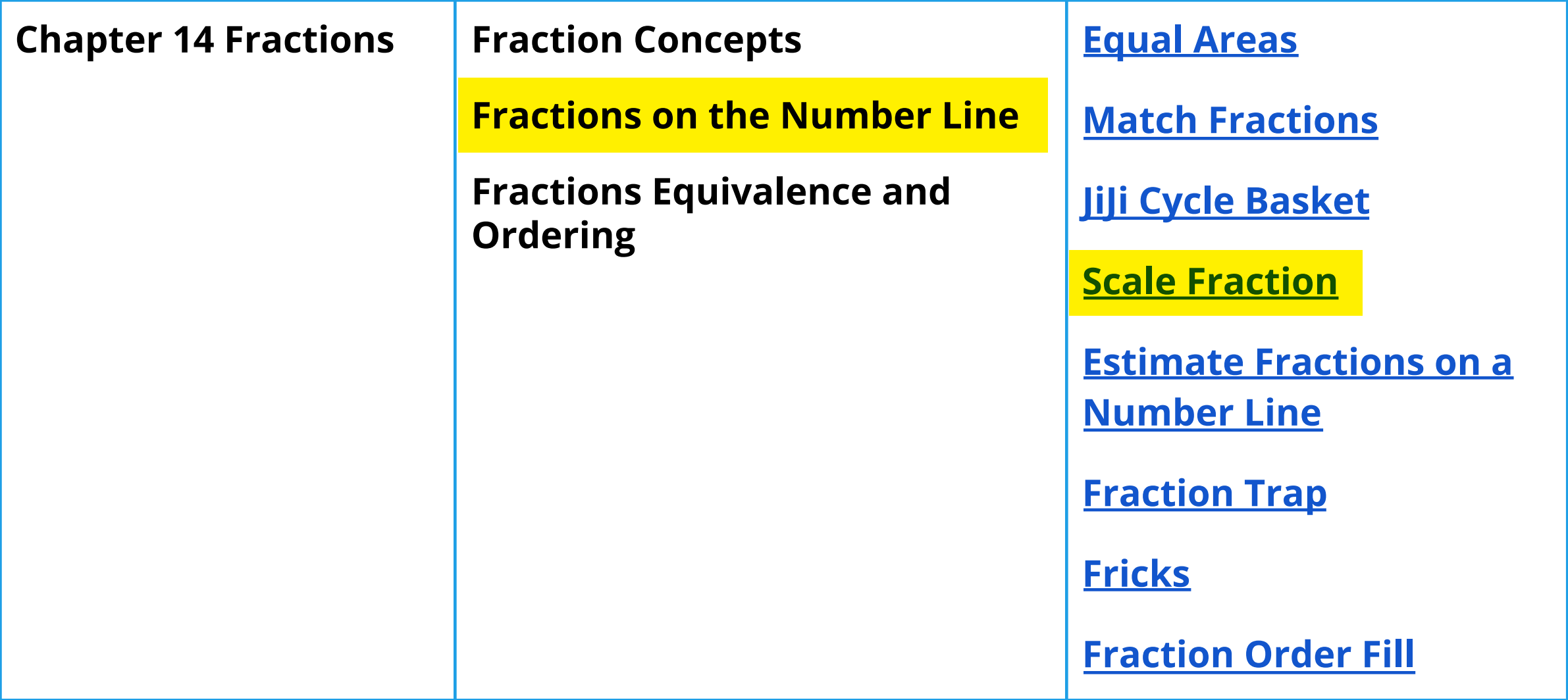
ST Math textbook correlations conveniently show the teacher which ST Math objective matches this unit and topic. The teacher can use the associated Puzzle Talk to preview the concept.
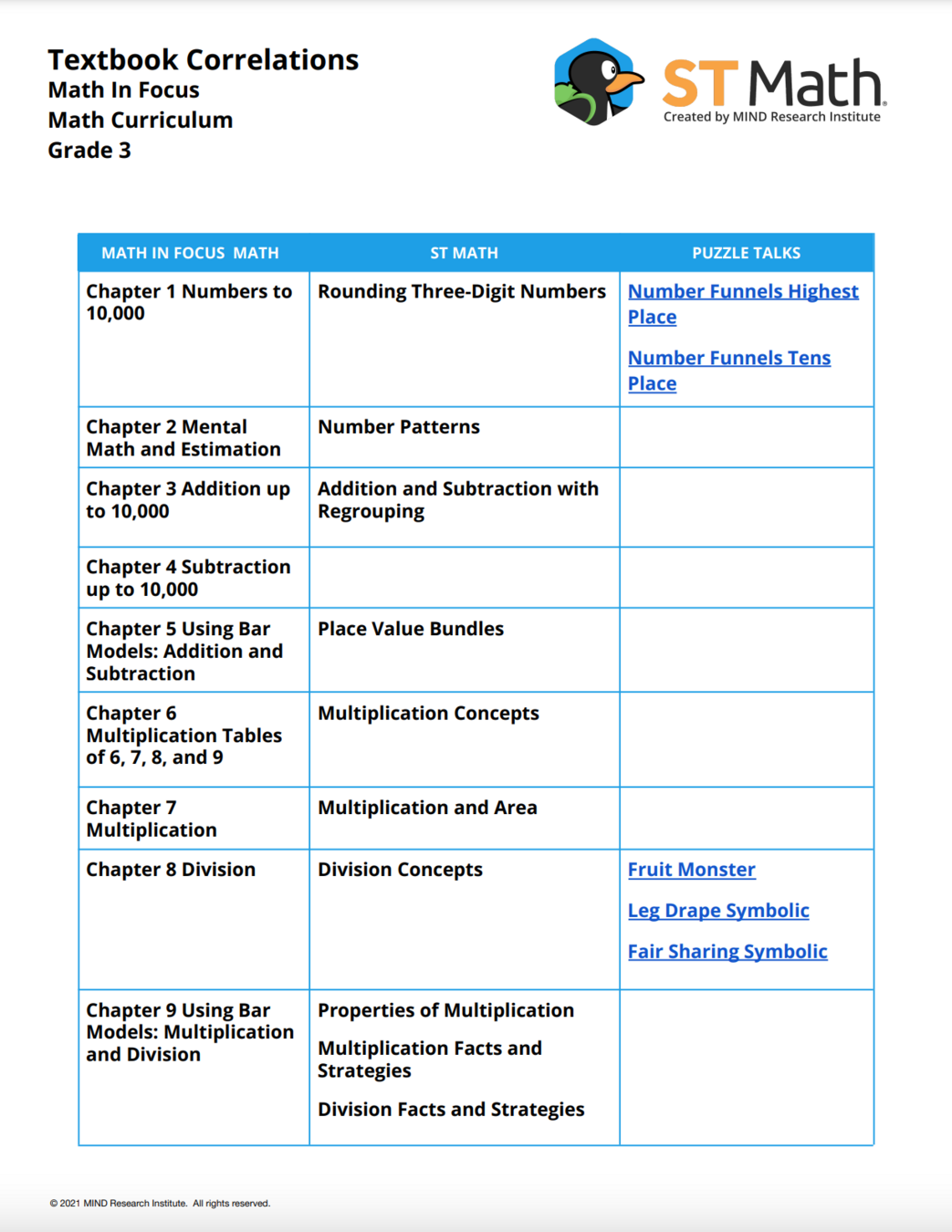
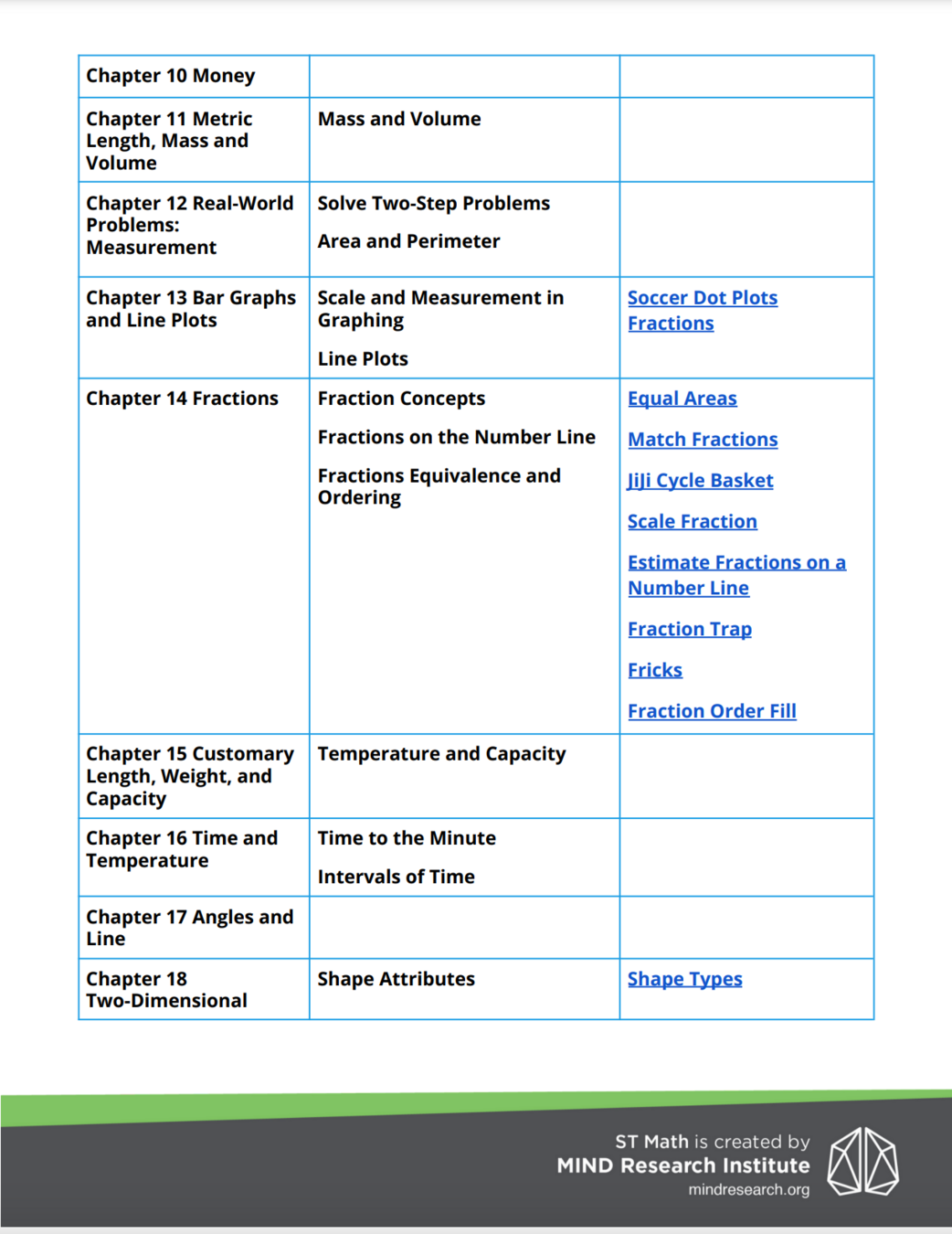
The solution:

Click it!

Math in Focus Correlation | Grade 3
Preview
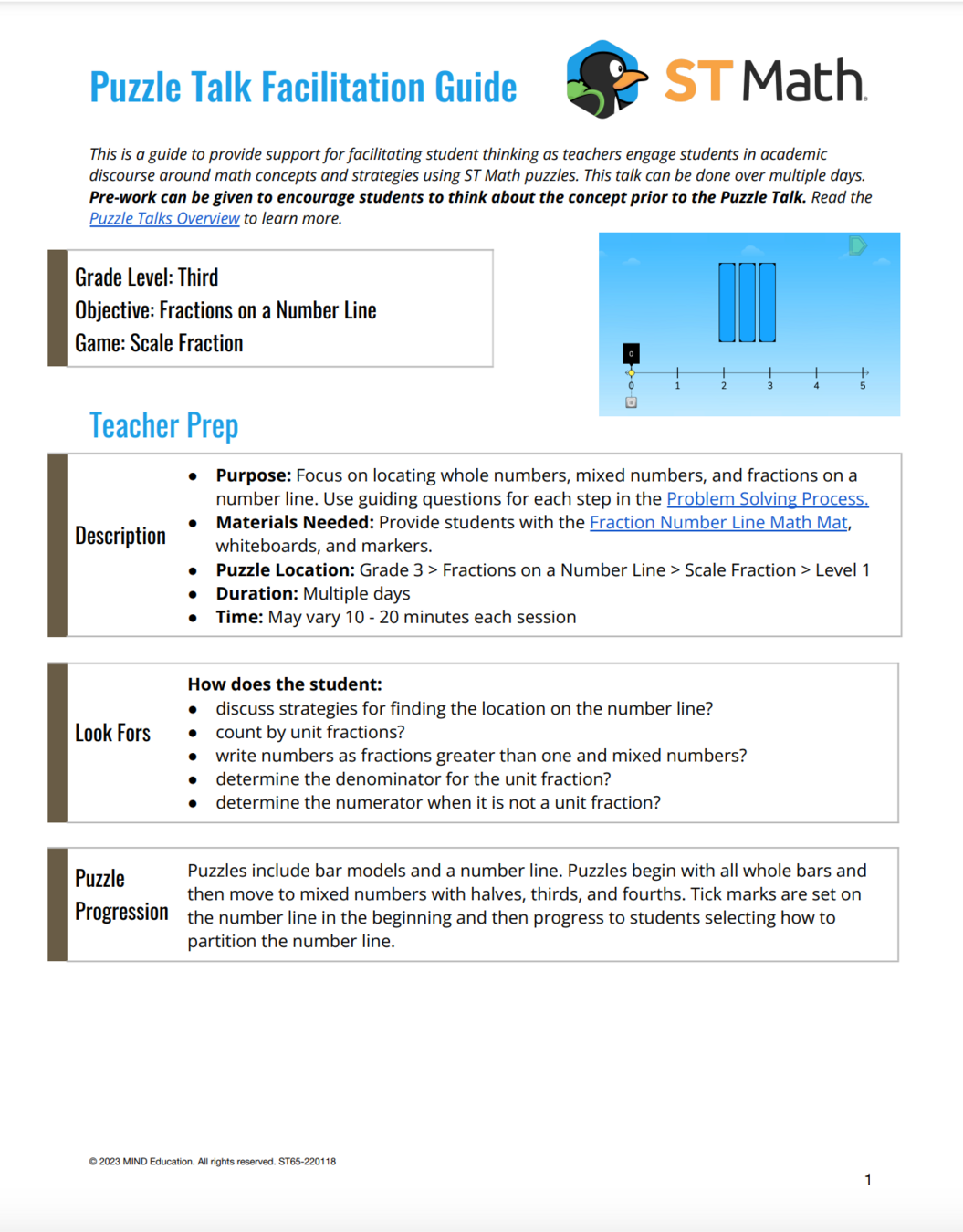
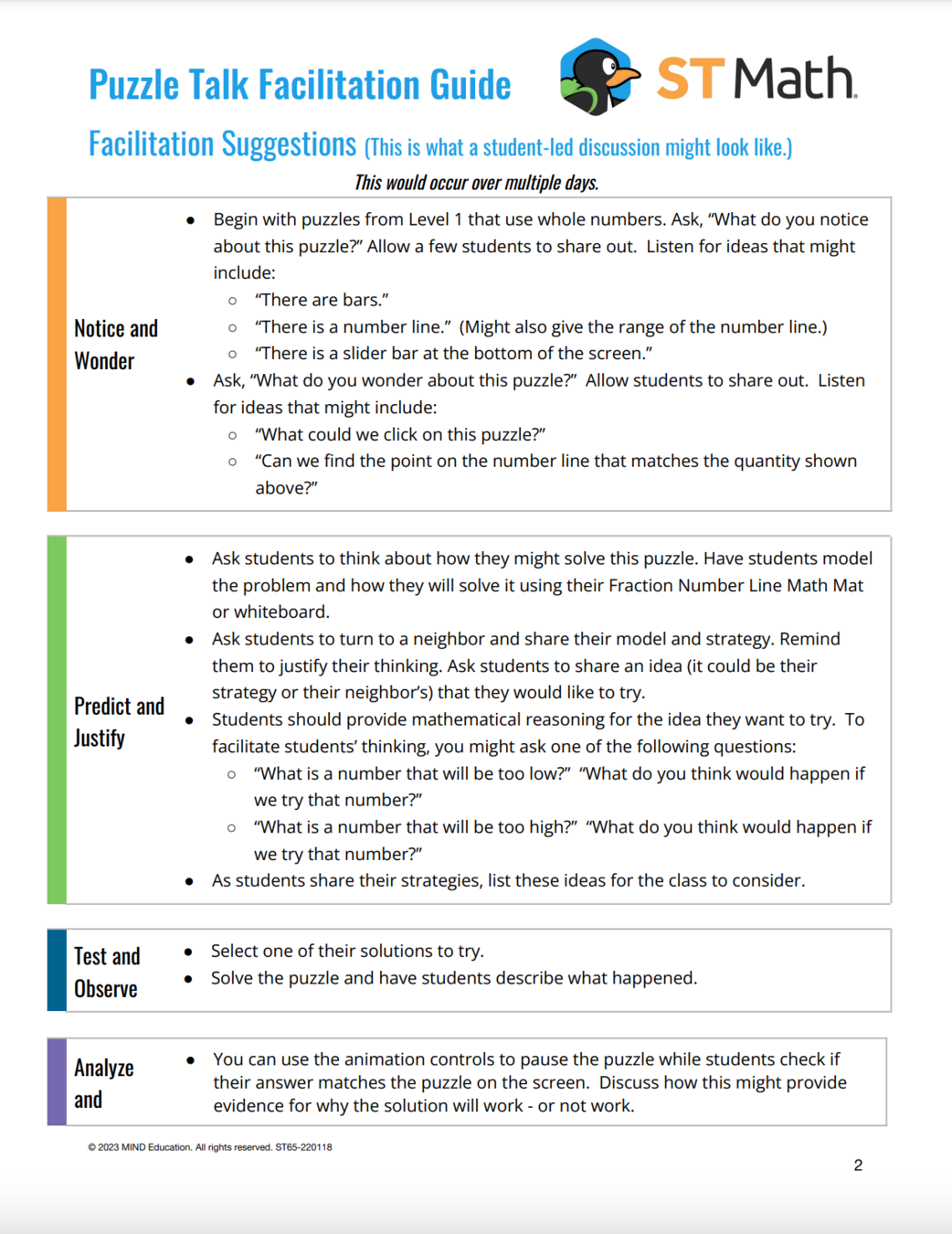
Using a Puzzle Talk to introduce a concept that is typically challenging helps students build a stronger foundation to support their understanding.
In this Puzzle Talk, a 3rd grade teacher can use the ST Math game "Scale Fractions" to introduce the concept of fractions on the number line.
Preview, Review, Extend
Review

Preview, Review, Extend
While teaching a unit on addition and subtraction of
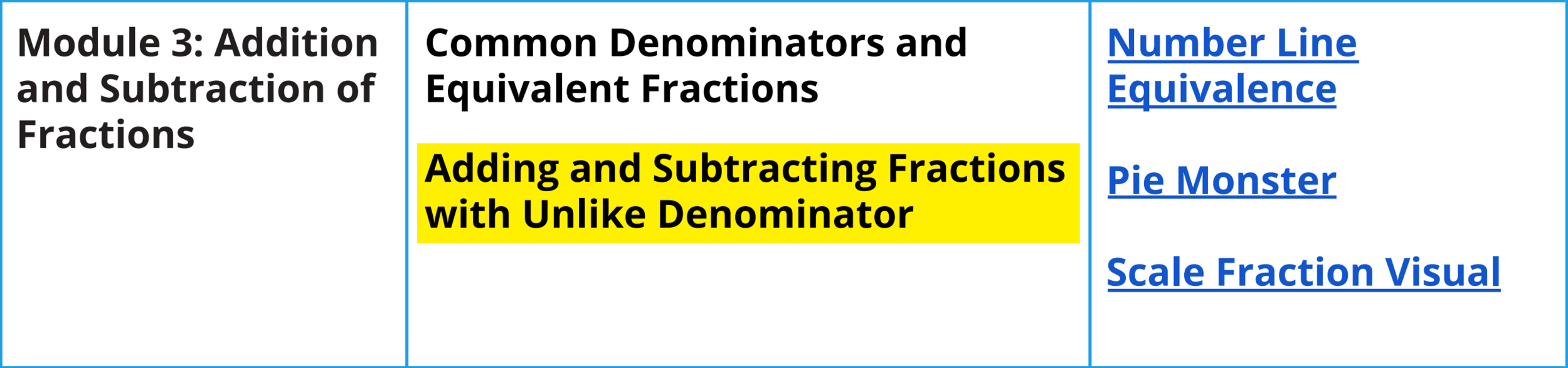
fractions, a 5th grade teacher notices that some students in her class are struggling with the concept, specifically when the fractions do not have common denominators.
Eureka Math Correlation | Grade 5
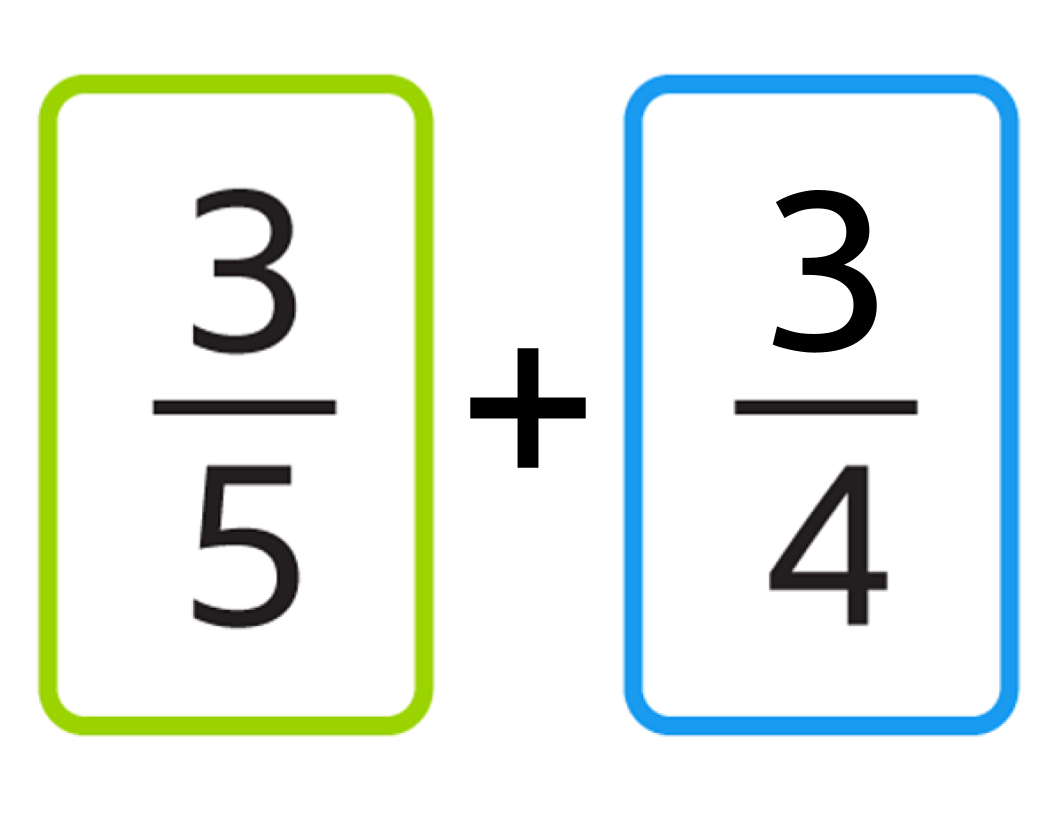
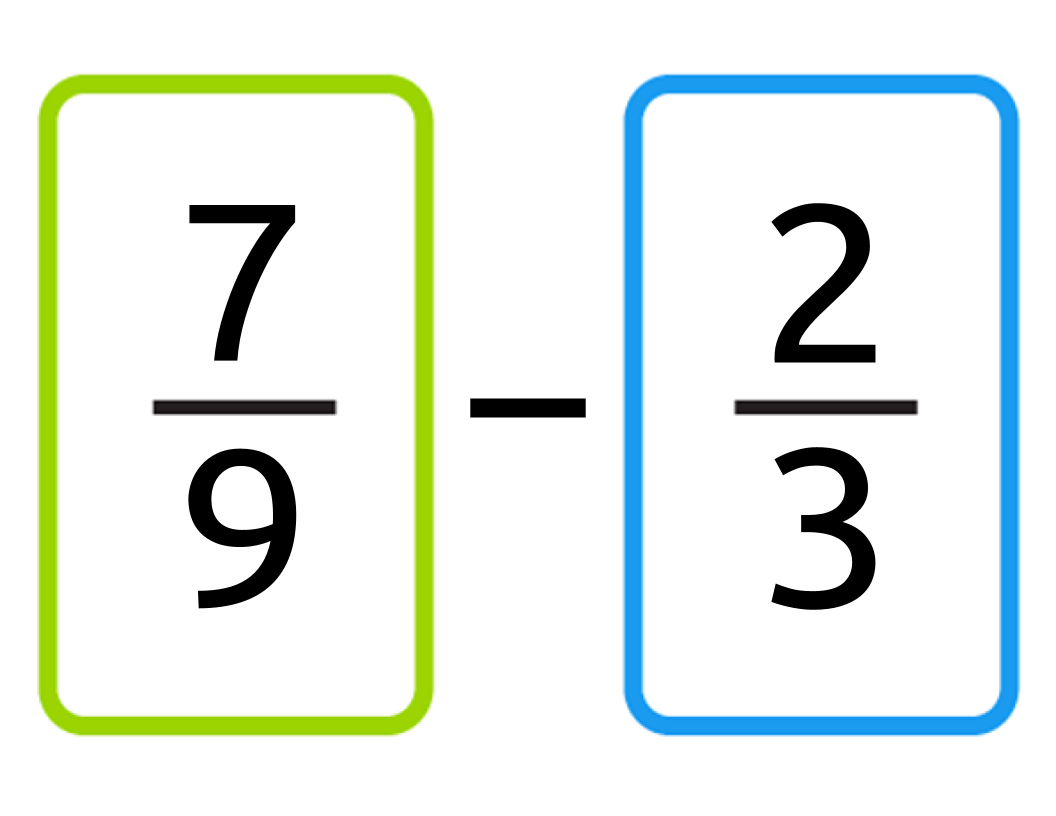


Imagine this situation:
Review
Preview, Review, Extend
ST Math textbook correlations show the teacher which ST Math objective matches this unit and topic. Then the teacher can assign the ST Math objective to the whole class, or to individual students, for review.
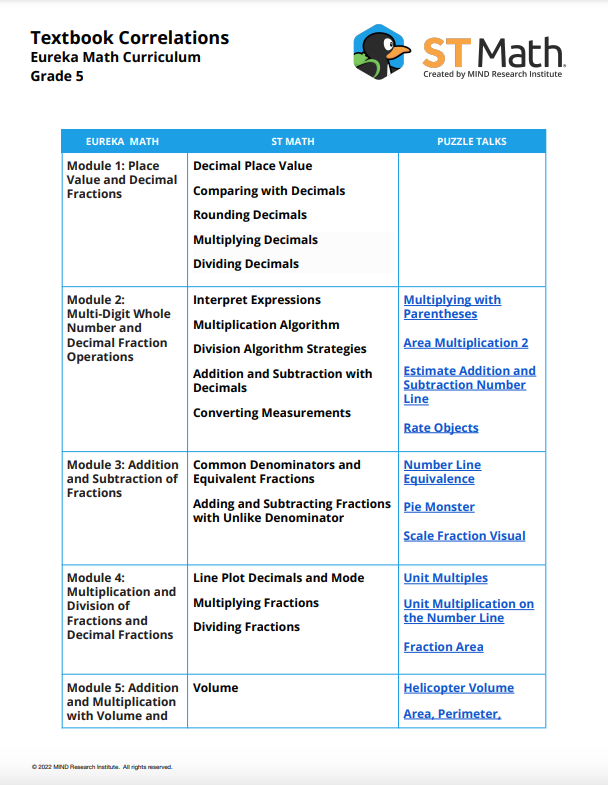
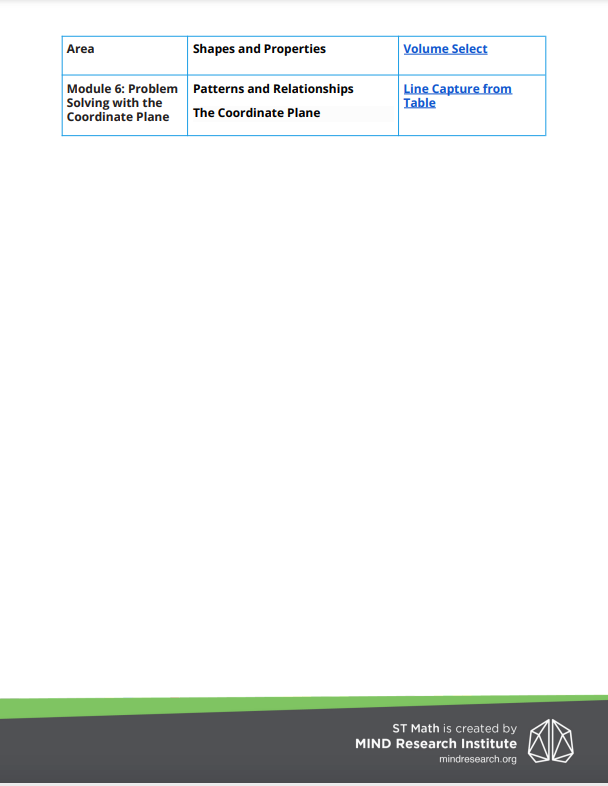
Eureka Math Correlation | Grade 5
The solution:
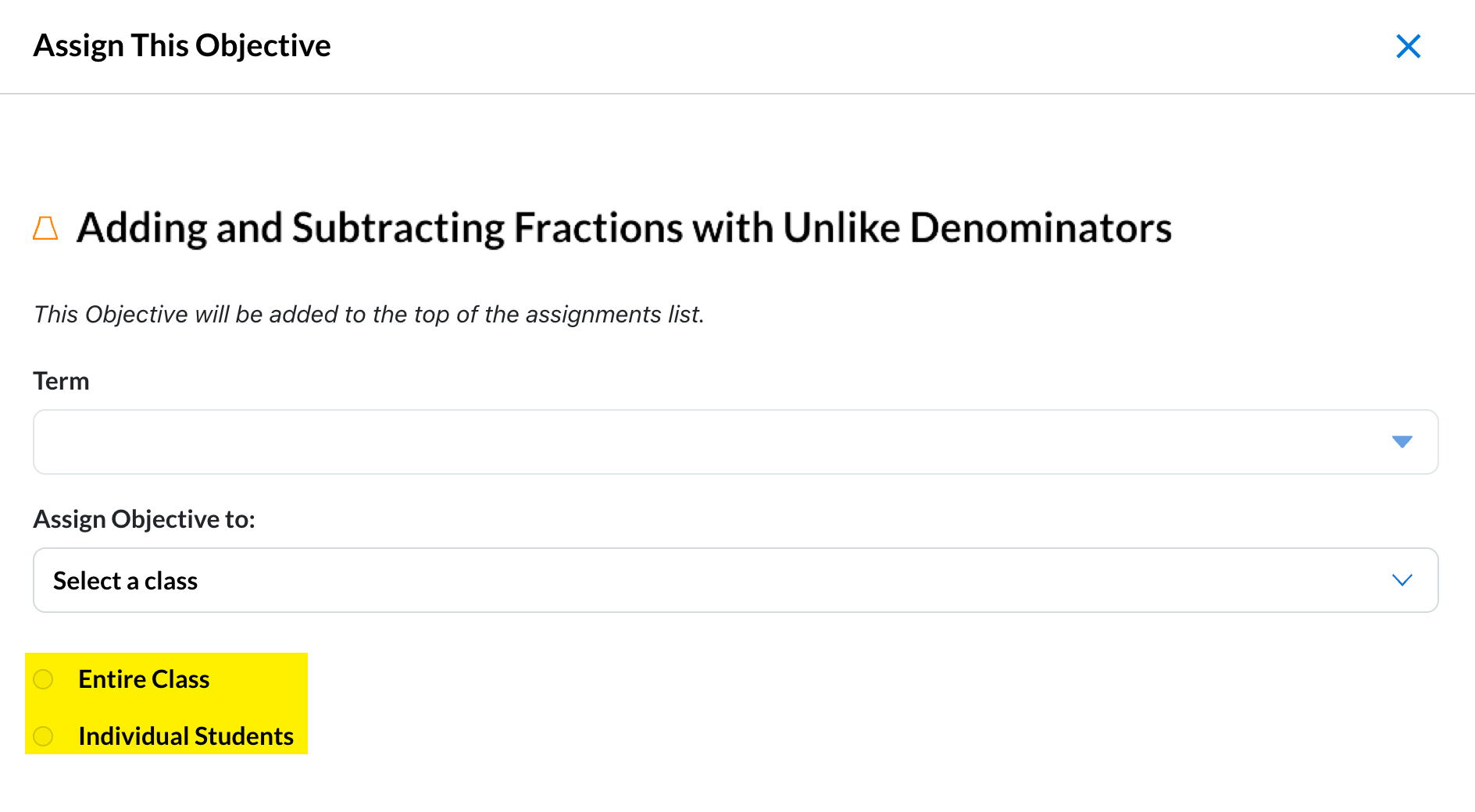
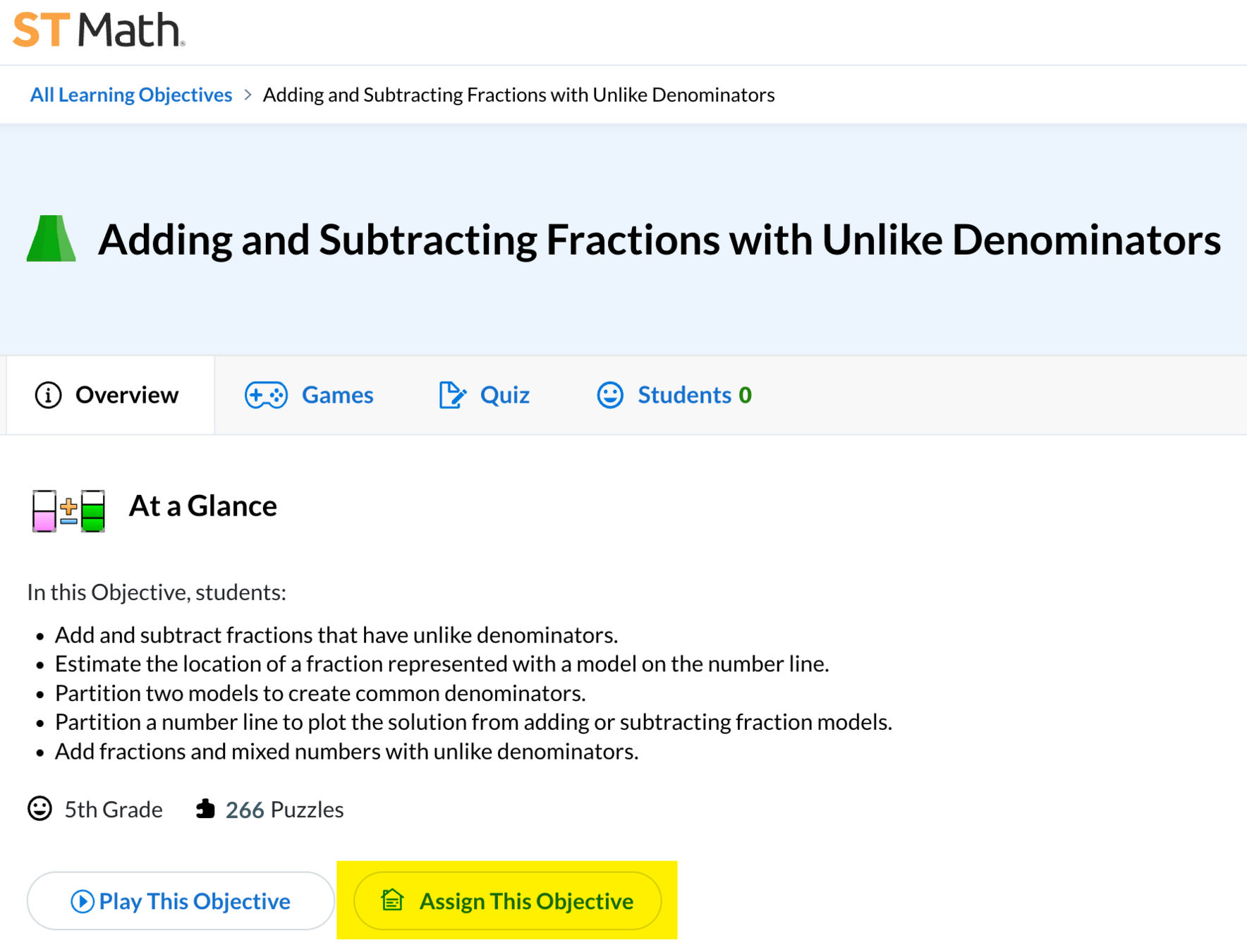


Click it!
Extend

Preview, Review, Extend
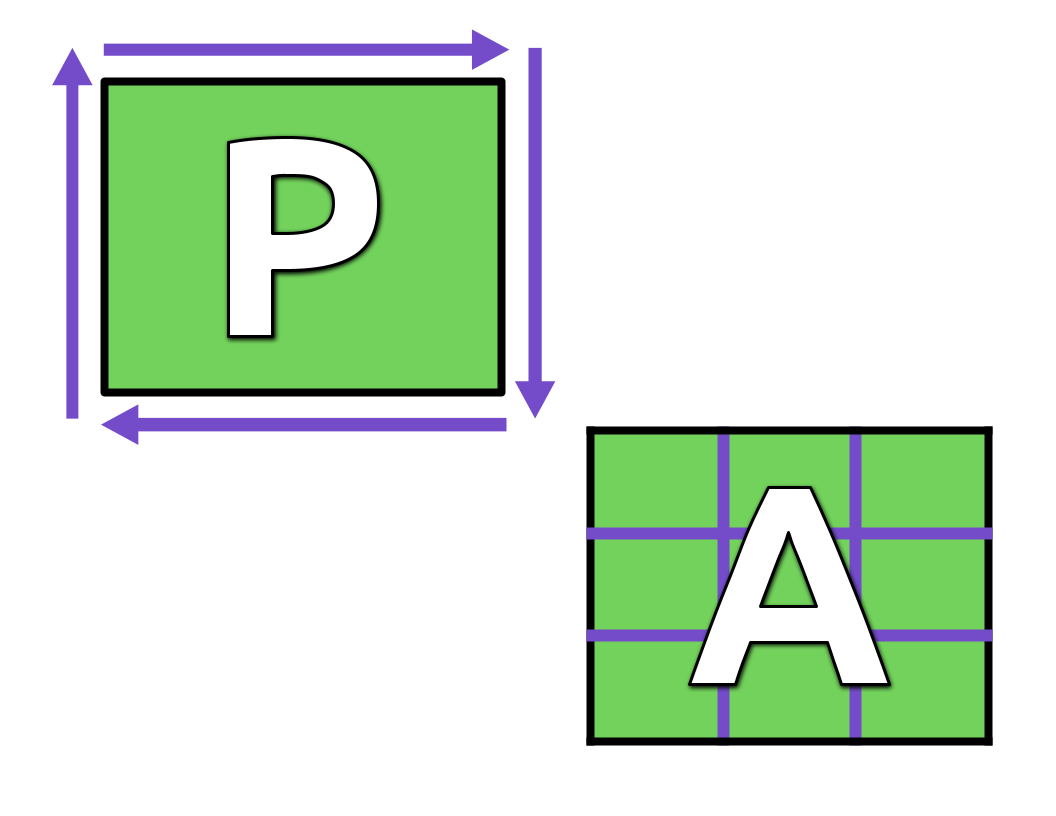
During their chapter on perimeter and area, a 4th grade teacher realizes that his students are ready to go deeper with the content and to connect their learning to other math concepts.
GoMath! Correlation | Grade 4

Imagine this situation:
Extend
Preview, Review, Extend
GoMath! Correlation | Grade 4
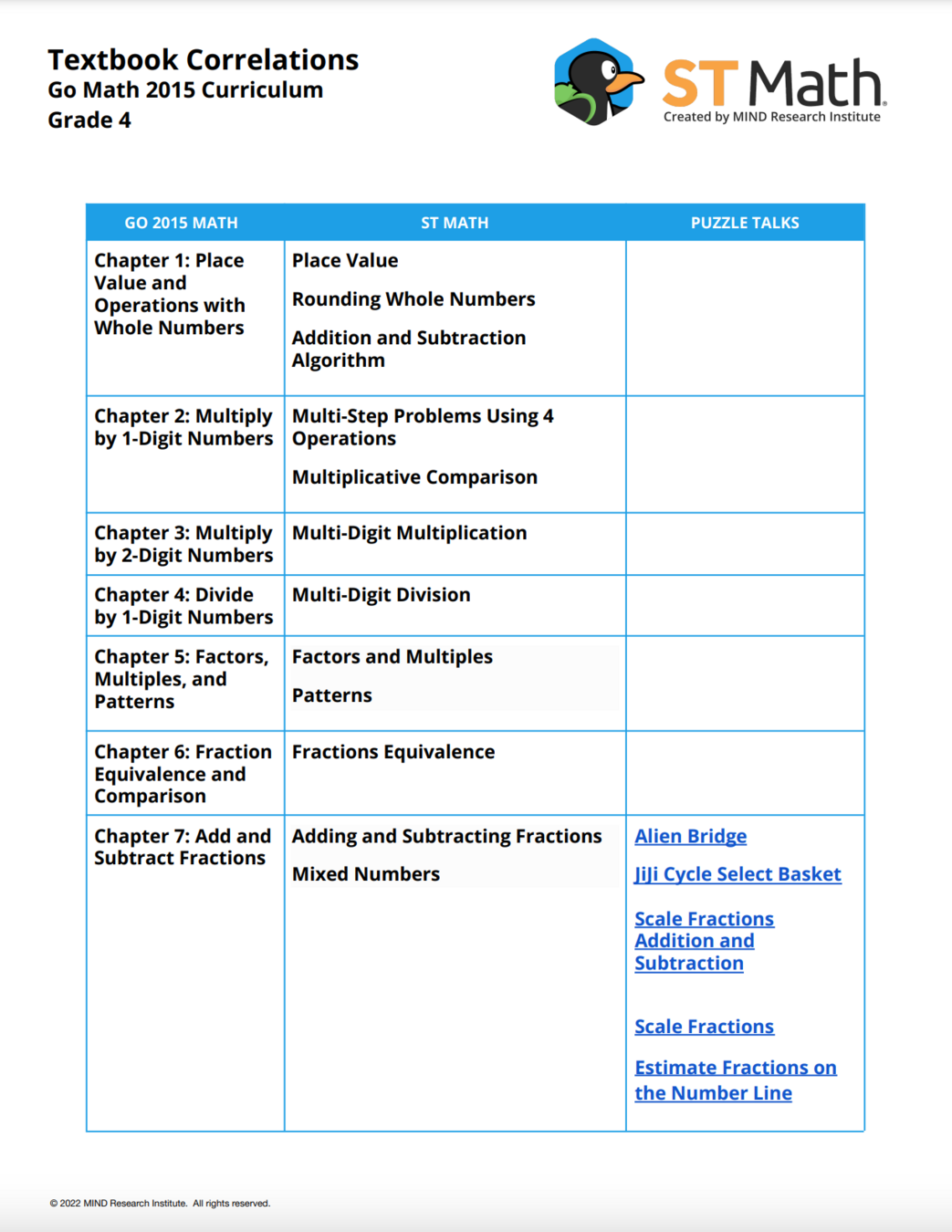
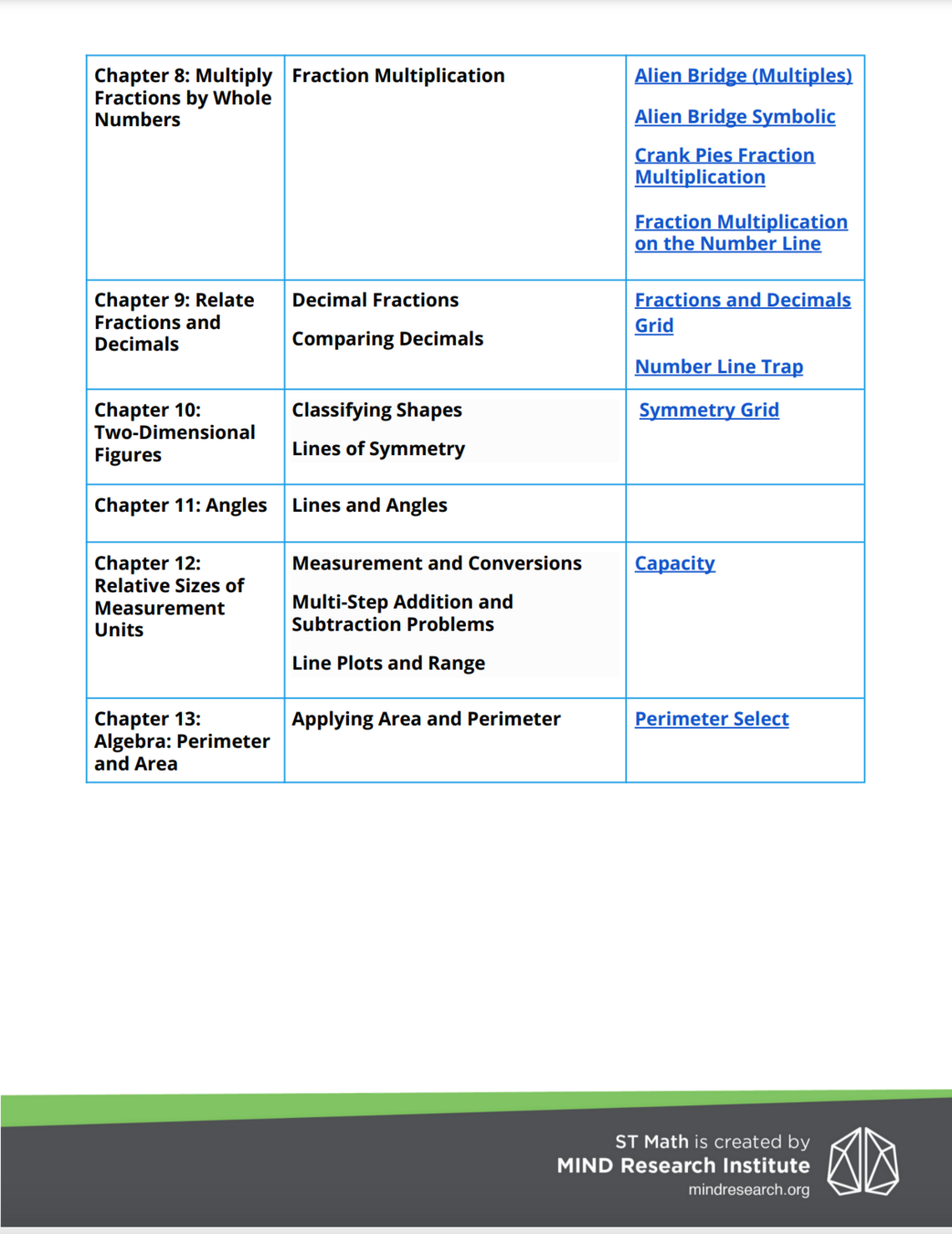
ST Math textbook correlations show the teacher which ST Math Puzzle Talk matches this unit and topic.
Click it!


The solution:
Extend
Preview, Review, Extend
The discussion questions in the Puzzle Talk can help the teacher engage students in discussions to make connections between and among math concepts.
Need Perimeter Select Puzzle Talk
GoMath! Correlation | Grade 4
Include zoom-in of discussion questions
Textbook Correlations
This and next 2 slides show examples of closing interactive question.
Textbook Correlations
Textbook Correlations
Textbook Correlations
Using ST Math as an instructional tool

The End
- Three key practices that support your instruction include previewing, reviewing, and extending content.
- Our textbook correlations are intended to support students in the grade-level Journey, not to replace it.
- ST Math textbook correlations support teachers in using ST Math as an instructional tool.
Tips: